Begin with a real person and a real task
User experience is the experience someone has while trying to use your website. It includes the route they take, the information they find, the controls they use, and the places where they get stuck.
Start with a practical question: what brought this person here? A first-time customer comparing services needs a different path from an existing customer looking for a phone number.
Organize around the questions people ask
Information architecture is the arrangement of content. It determines which topics belong together, what deserves a page, and how those pages connect.
Use your customer conversations, support questions, and existing website information to identify the topics that matter. Group those topics in language a visitor would recognize.
Reduce unnecessary effort
A useful interface explains what will happen next. Descriptive buttons, short forms, clear instructions, and timely feedback help someone complete a task with confidence.
When a form has an error, identify the field and explain how to fix it. When an action prepares a draft rather than sending a message, say so. The website should make its behavior clear.
Include different ways of using the site
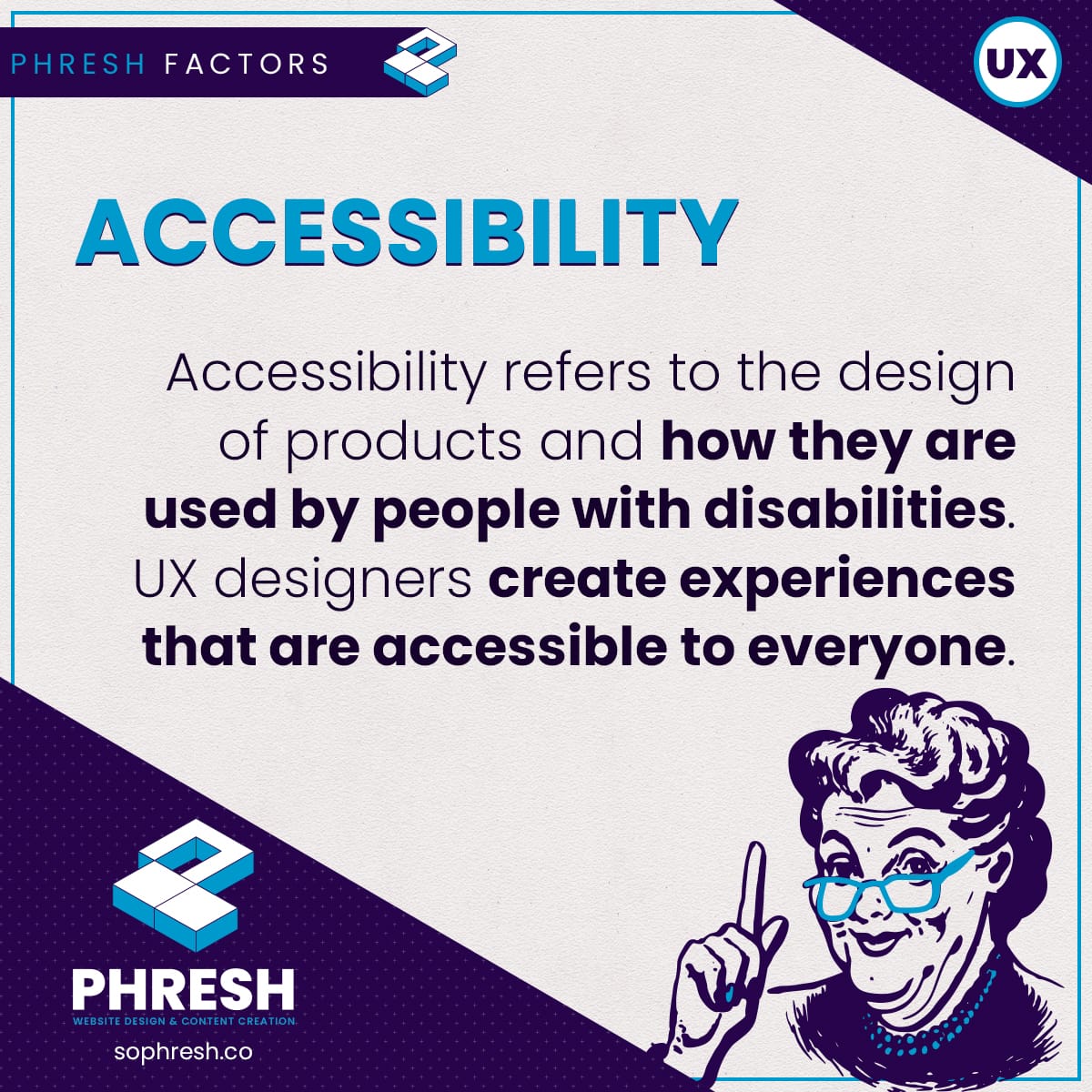
People visit with different devices, abilities, levels of attention, and connection speeds. Accessible design helps more of them participate.
Review keyboard navigation, heading order, form labels, contrast, zoom, and motion preferences. These decisions work best when they are part of the design process rather than an afterthought.
Test the important journeys
Ask someone unfamiliar with the site to find a service, understand the offer, and start an inquiry. Watch where they hesitate and listen to the words they use.
A small, focused review can reveal a confusing label or missing explanation. Use the findings to improve the journey, then check whether the revised version resolves the issue.
Keep learning after launch
A launch gives the website a starting point. Customer feedback, useful analytics, and actual inquiry patterns can help identify what needs attention next.
Look at the whole journey rather than one number in isolation. The goal is to help the right people understand the business and complete a useful next step.
Have a project in mind? Explore website design, branding, or start a conversation with Phresh.
PUT THE IDEAS TO WORK
A fresh look at your next project.
Good questions lead to better design. Let’s talk about what your website or brand needs next.